
Note – more on BESS click here
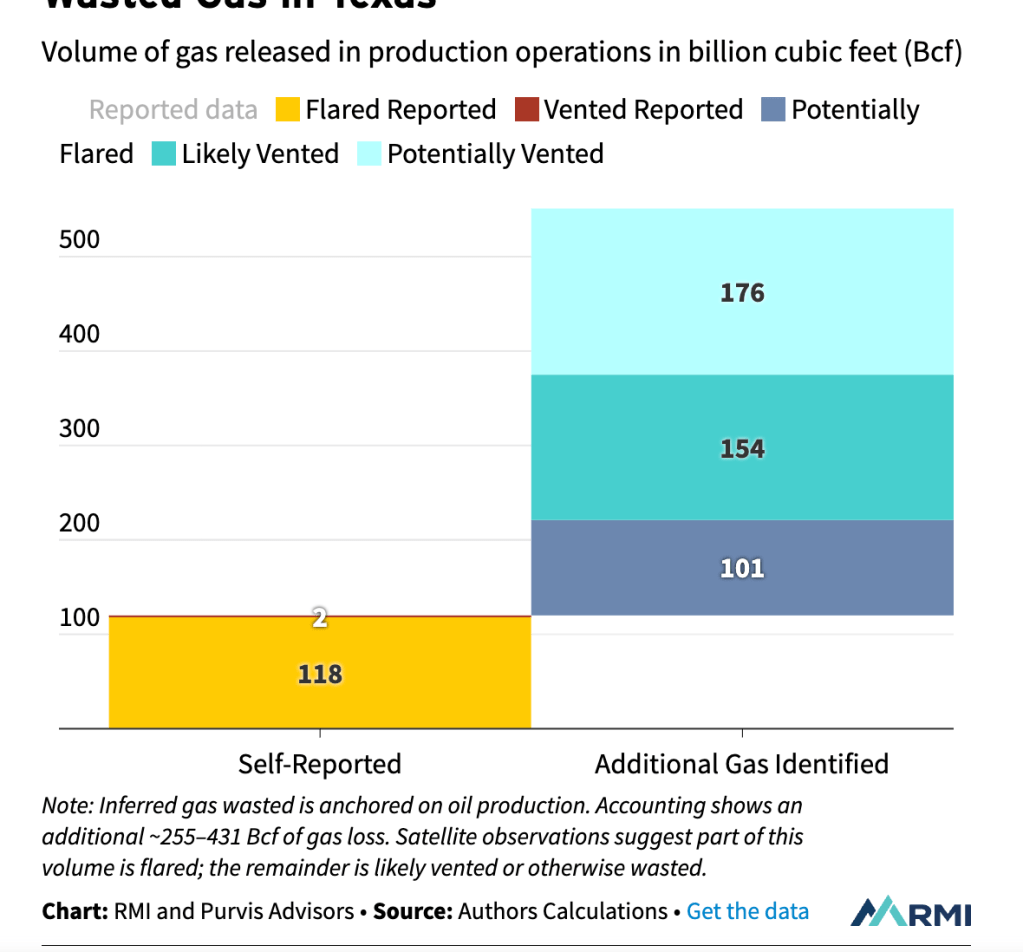
3/19/26 methane gas leaks underreported 3x according to this report by RMI
3/17/26 Google to deploy world’s largest iron-air battery for Minnesota data center
2/9/26 Article rebutting Trump’s negative rants about wind energy
11/1/6/25 Silos for Sunshine
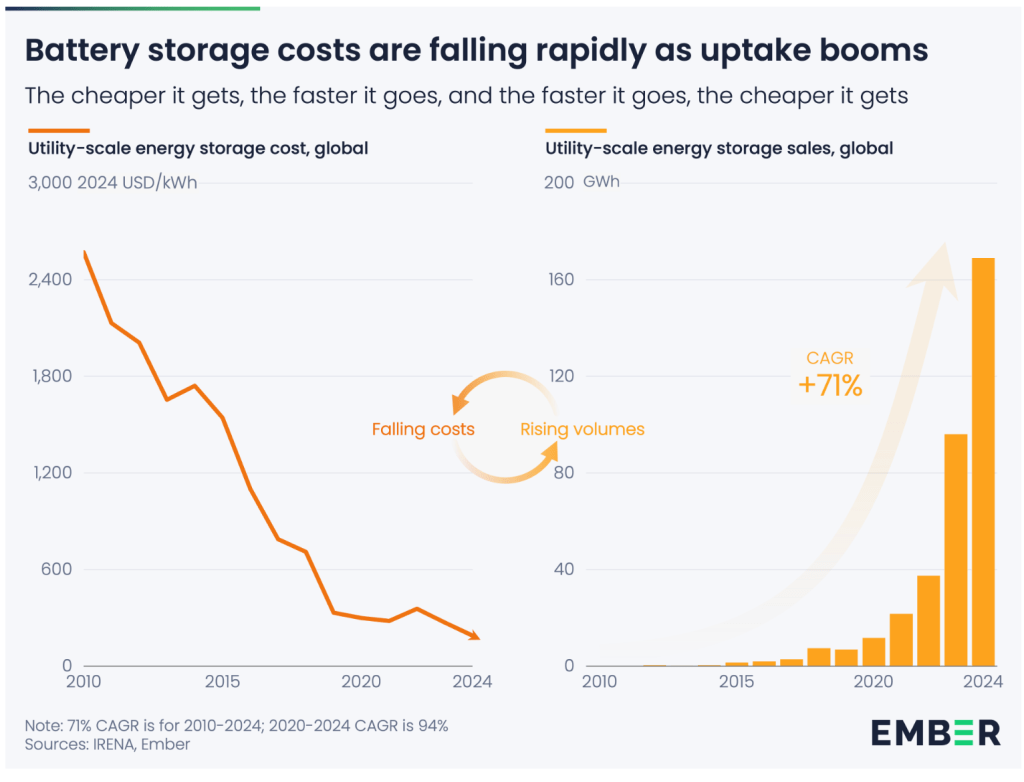
Recent article by EMBER on the multiple benefits of batteries with lots of great graphics
10/17/25 ‘World’s largest’ industrial heat battery is online and solar-powered
10/17/25 Hydrostor compressed air energy storage project
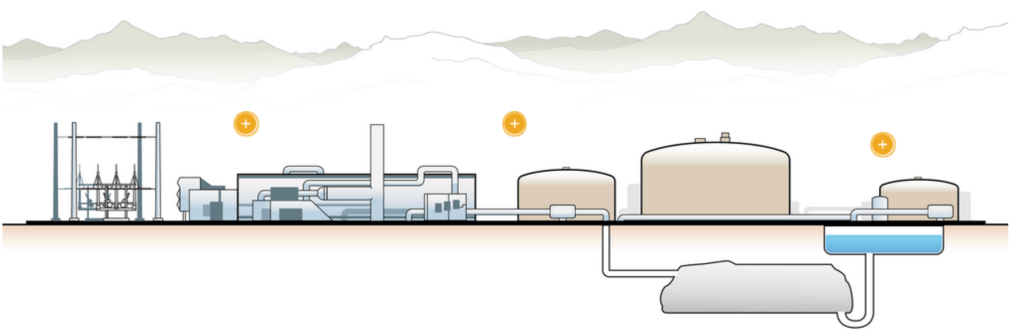
Advanced compressed air energy storage (A-CAES) is a technology that stores energy by compressing air and later releasing it to generate electricity. It is an enhanced form of traditional compressed air energy storage (CAES), which has been in use in California and other parts of the world for decades. Hydrostor’s key advancement is that A-CAES captures and stores the heat generated during the compression phase and uses it to reheat the air during expansion, which significantly improves efficiency while eliminating the use of fossil fuels for daily operations. This patented technology makes it a much more environmentally friendly and cost-effective method for large-scale, long-duration energy storage.
10/02/25 Exploring Monterey Bay program with Alan Peevers and Roland Saher about energy storage and solar/wind energy, SGIP, and more.
9/26/25 New Illinois VPP program
Under the bill’s VPP program, residential customers would get a rebate of $300 per kilowatt-hour on the capacity of the battery they purchase, and then receive at least $10 per kilowatt during scheduled dispatches from 4 p.m. to 6 p.m. on weekdays in June, July, August, and September for a five-year period.
9/22/25 Home Owners Clean Energy Tax Credits are still Available for a short time
Subject: Save with clean energy incentives – act now before they’re gone!
I wanted to make sure you’ve heard (because they’re being phased out as soon as September 30, 2025!) about the tens of thousands of dollars in federal and state incentives available right now to help homeowners get clean, cost-saving technologies – like EVs, solar panels, heat pumps, battery storage, and more. Many of these products will significantly reduce utility bills or operating costs over time, so if you’re due for a replacement soon or thinking about making a switch, now is really the time!
Unfortunately, many of these tax credits expire in just a few months (and for EVs, in just a few weeks), so this is our last chance to get these cost-saving technologies at a huge discount.
I recognize that these can also be big-ticket items, and if you haven’t already been thinking about it, it’s hard to know where to start. If you’re interested in clean technologies, here are some resources I’ve found really helpful:
- Find incentives and local contractors: https://homes.rewiringamerica.org/save
- Talk to a real human: https://homes.rewiringamerica.org/federal-incentives/electrification-drop-in
- Great podcast: https://www.degreespod.com/episodes/cash-in-on-clean-tech-incentives
- Overview, including additional state-level incentives: https://www.canarymedia.com/articles/electrification/use-tax-credits-evs-home-before-gone
- Potential complementary financing: https://www.usgreenbanks.org/members
- EV incentives in your Zip Code: https://plugstar.com/incentives
- Deals on leasing EV: https://www.consumerreports.org/cars/what-to-know-about-leasing-an-ev-or-phev-with-tax-credit-a3007689035/
- Guide to which new EVs qualify and how to get a great deal on a used model: https://www.edmunds.com/fuel-economy/the-ins-and-outs-of-electric-vehicle-tax-credits.html
Please forward this along to anyone you think might be interested!
9/19/25 Article about how Distributed energy Resources (DERs) and virtual Power Plants (VPPs) can help reduce future costs of electricity in CA.
9/15/25 Interesting article about new Vanadium Batteries
8/31/25 Myth busting by Carbon Brief – articles on
- Misleading myths about Solar Energy
- Misleading myths about electric vehicles
- Misleading myths about heat pumps
- 8/28/25 91,000 Premature Annual Deaths in US Linked to Air Pollution From Oil and Gas As People of Color Bear Brunt
Sunday 8/12/25 Washington Post on Balcony Solar and other low cost options
8/12/25 New York Times on Balcony Solar
8/3/25 Electrification is progressing rapidly
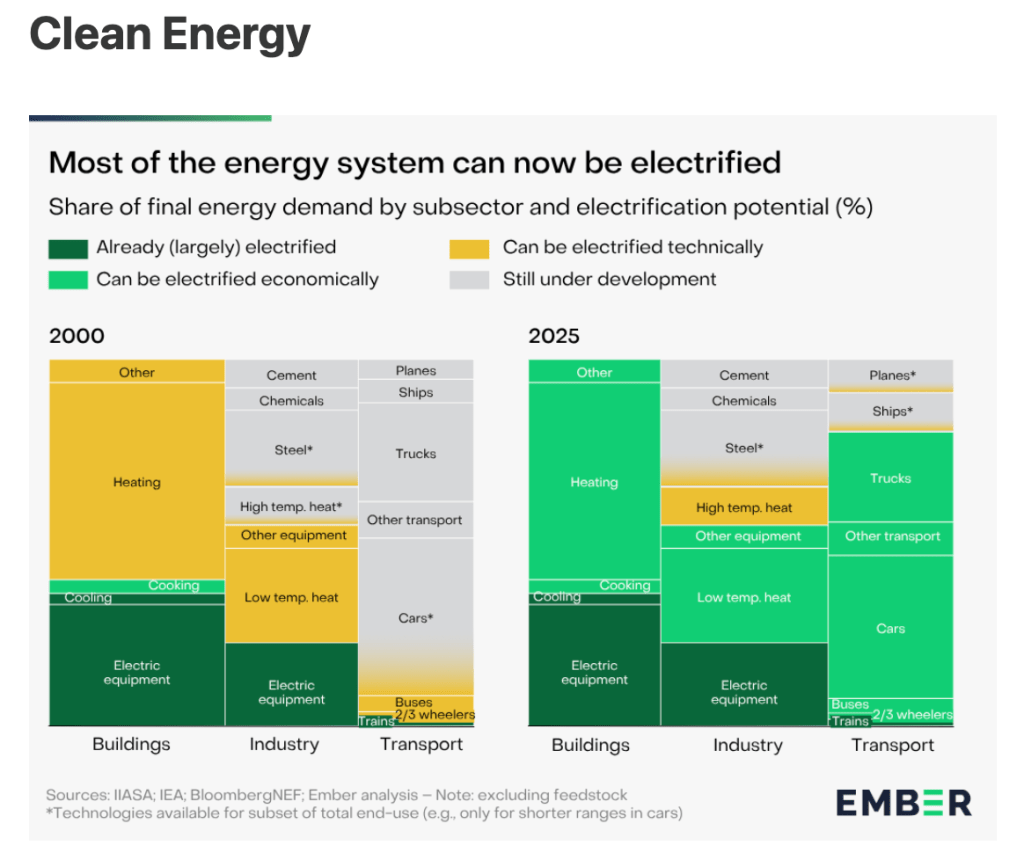
The Rocky Mountain Institute and Ember released a spectacular new big-picture article titled “The long march of electrification” contextualing the modern renewables super-boom as the latest step in electricity’s advances since the 1880s. Some key points:
Most excitingly: “Rapid electrification, even at the scale envisioned in most deep decarbonisation scenarios, does not require a significant acceleration in global electricity demand growth…at the global level, deep electrification is essentially a continuation of a long-standing trend of electricity demand growth.” Electrification, globally, is progressing near the speed we need it to be! RMI and Ember expect this to accelerate “structural decline” for fossil fuels.7/20/25 Detailed piece from “Never Again Moss Landing” covering BESS risks and regulations
About 75% of humanity’s final energy demand can now be economically electrified, thanks to lots of technical progress made since 2000!
Electricity is supplying more and more of total energy use across the economy.
7/17/25 Excellent piece bY Bill MCKIBBEN DESCRIBING THE HUGE WORLD WIDE ACCELERATION IN CLEAN ENERGY. IT’S NOW SO AFFORDABLE IT’S UNSTOPPABLE! LONG ARTICLE BUT WELL WORTH READING.
6/29/25 News of a new film which greatly reduced indoor temperatures saving huge amounts of energy
5/15/25 Researchers Wanted to Understand Concerns With Batteries in Moss Landing, California. Their Funding Just Got Yanked. read more
5/6/25 Fact sheet for John Laird bill (SB283) on new regulations for Battery Energy Storage Systems (BESS)
4/23/25 China Unveils World’s 1st ‘Meltdown Proof’ Thorium Reactor
3/31/25 Interesting details on “Flow Batteries”
3/18/25 Details on Energy Storage using gravity and old mineshafts
3/8/25 Video of meeting discussing data Collected near Moss Landing
3/6/25 New details on Clean Hydrogen by RMI
3/2/25 Article on Enhanced Geothermal (Energy) Systems (EGS)
2/27/25 Dave Borlace Episode on existing and upcoming types of heat pumps for home heating/cooling
2/21/25 Instructive Webinar on CA Cap& Trade program and upcoming changes
2/15/25 Detailed article on Moss Landing Fire from Canary Media
2/14/25 Short Summary of Moss landing fire from Climate ACtion CA
The Moss Landing Vistra facility is a horrible reason to limit new battery energy storage systems. Here are some short bullet points for the main reasons why it doesn’t make sense to be stopping new projects, in case these are useful.
- It was built in an old building with battery cells installed on open battery racks with no protection against fire propagation between units, creating conditions allowing a large uncontrolled fire.
- It was permitted under older safety standards, before the UL 9540 standard and UL9540A testing protocol were implemented. UL 9540A requires individual battery cells to be encased in fireproof materials and includes other fire prevention and suppression designs, and it establishes a minimum separation distance between battery units.
- It used nickel-manganese-cobalt chemistry, which has higher energy density and a lower thermal runaway temperature than lithium iron phosphate—which most large-scale battery energy storage uses now (just as with distributed battery energy storage).
- No new battery project would be done with this battery chemistry or design.
2/05/25 More Info from John Laird and Monterey County Health
1/31/25 Extract from John Laird’s Jan25 letter to Constituents
The recent fire at the Moss Landing battery storage facility is deeply concerning, leaving the community searching for answers over a week later. An independent investigation is needed to sufficiently ground truth the causes of this fire and any potential impacts to environmental or personal health.
To help rebuild community trust that the facility can operate safely, significant changes are necessary. While the system currently remains offline, Vistra must take immediate steps to address these issues, including:
- Providing the Monterey Bay Air Resources District with sufficient “SPM Flex” gas detectors to effectively track hydrogen fluoride (HF) levels
- Collaborating with the North County Fire Protection District to expand their capacity and readiness to respond to incidents of this scale
- Initiating additional environmental monitoring and testing such as air, soil, water, and particulate matter assessments; and
- Presenting emergency safety plans required under SB 38 at a public forum to increase transparency and accountability.
It is essential to base future policy decisions regarding battery storage, and green energy as a whole, on clear, evidence-based findings to ensure safety and accountability moving forward.
1/29/25 Link to Lookout Article on Moss Landing Fire
includes info on heavy metal contamination
1/28/25 Moss Landing Battery Fire
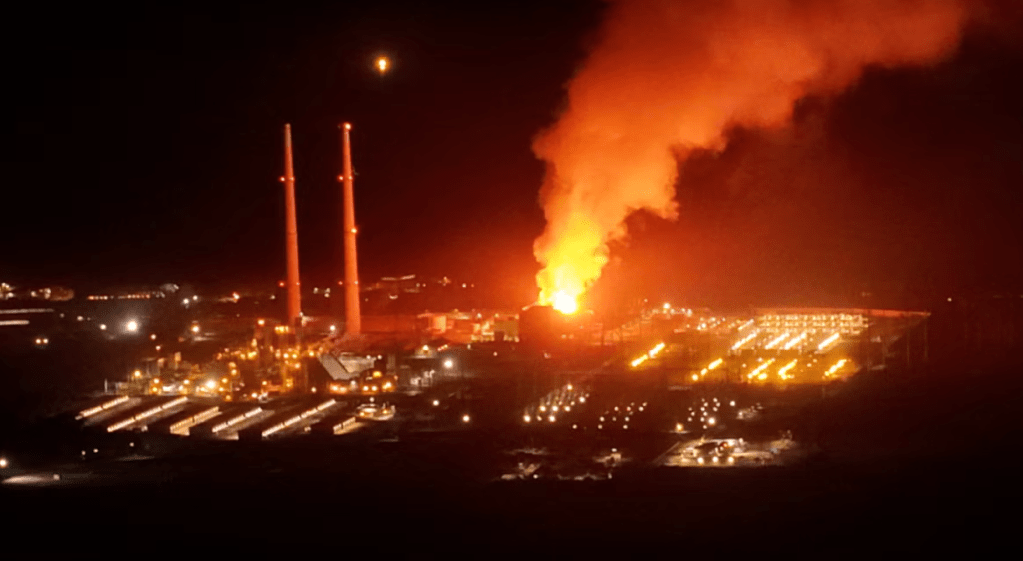
Jan 27 – The fire that ripped through the Vistra grid battery on January 16 left clean energy fans and foes alike wondering how it happened and what’s preventing another disaster. (Two vulnerabilities contributed to the out of control fire.) First, Vistra used the nickel-manganese-cobalt (NMC) chemistry, developed for electric vehicles, but when defects cause these batteries to heat up, they can enter thermal runaway, a chain reaction that can quickly run out of control. And second, the batteries were housed in one large, legacy building with hundreds of battery racks. Nearly all grid batteries installed in the past several years have opted not for one enclosed building but for row upon row of much smaller modular battery containers, to prevent spread of fire. And, grid storage has also moved to lithium iron phosphate (LFP) batteries (which are cheaper, much safer, easier to recycle, with iron & phosphate produced in North America). The Tesla battery installation at Moss exemplify these two improvements) INFO.
We know we’ll need lots of clean electricity as we work to electrify both Transportation and Buildings. This is a new top page with lots of related materials.
10/25/24 New small wind turbine suitable for lots of locations
10/5/24 New article in the Guardian explains that Natural Gas is MUCH WORSE than coal and we need to immediately ban new LNG terminals (LNG=Liquid Natural Gas)
9/23/24 A Dark Future – excellent student made video about the need for darker skies
9/13/24 Atomic Bamboozle – new film critical of nuclear energy including Small modular reactors – small donation required to watch
8/29/24 Good video review of Biomass problems and DRAX
8/22/24 Great details on home electrification and vehicle to grid protential
7/10/24 Great Update on Global Clean Energy Progress
11/16/23 NEW SANTA CRUZ ELECTRIFICATION CODE
Details from 11/14/23 City Council meeting on efforts in Santa Cruz to reduce greenhouse gas emissions from gas appliances
8/5/23 VWC works to improve PGE franchise agreement
8/5/23 PUC UTILITY TAX PROBLEM SLIDE SHOW
15 energy experts ask the CPUC to reject income graduated fixed charges
8/5/23 Wood Pellets Coming to Ca
- Marin Biomass Project marinrcd.org
- California group begins development of 2 industrial pellet plants @BiomassMagazine
- biomassmagazine.com
Recording of webinar here: Road to 100% Renewable Energy with Dr. Mark Jacobson
Offshore Wind
Page includes a brief presentation made after the May 8-10, 2023 Conference
False Solutions
Includes Hydrogen and Carbon Capture
Transit and Electrification
Older top page with lots of information
 Santa Cruz Climate Action Network